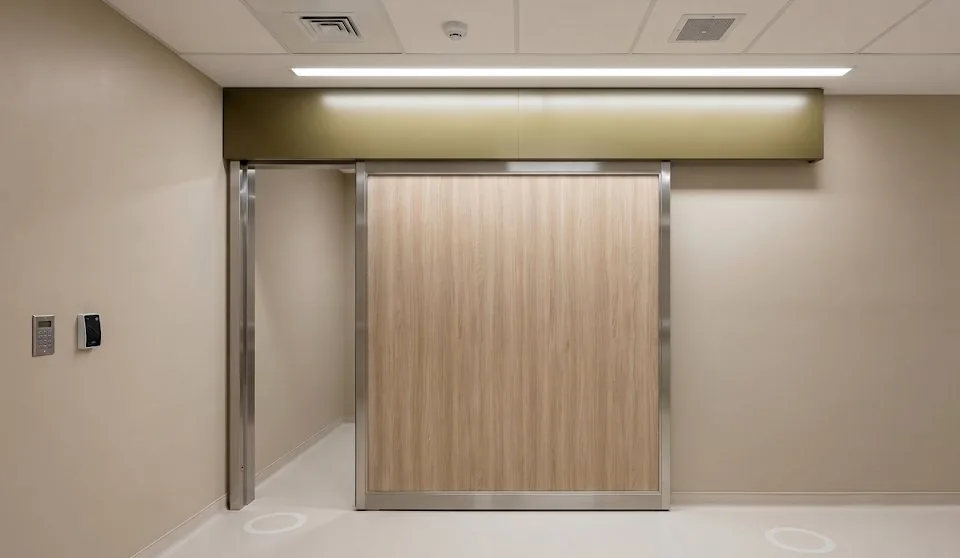
What Is HDR Brachytherapy Room Shielding?
High Dose Rate (HDR) brachytherapy is one of the most effective radiation treatment techniques used in modern cancer care. By placing a highly radioactive source directly inside or near the treatment area, HDR brachytherapy delivers precise radiation doses while minimizing exposure to surrounding healthy tissues.
Because HDR systems utilize high-activity radioactive sources, proper HDR Brachytherapy Room Shielding is essential to ensure patient safety, staff protection, and regulatory compliance.
A professionally designed shielding system protects healthcare personnel, adjacent hospital areas, and the general public from unnecessary radiation exposure while enabling efficient clinical operations.
Why Is Shielding Critical in HDR Brachytherapy Facilities?
Unlike external beam radiotherapy systems, HDR brachytherapy units contain sealed radioactive sources that emit radiation continuously, even when not actively delivering treatment.
Modern HDR afterloaders commonly use isotopes such as:
- Iridium-192 (Ir-192)
- Cobalt-60 (Co-60)
These sources generate high-energy gamma radiation that requires carefully engineered shielding solutions.
Without proper shielding:
- Radiation exposure levels may exceed regulatory limits.
- Licensing approvals may be delayed.
- Staff and public safety could be compromised.
- Operational restrictions may be imposed.
Effective room shielding ensures safe and uninterrupted clinical operation.
Understanding HDR Shielding Requirements
HDR room shielding design depends on multiple project-specific parameters.
Radioactive Source Type
The energy spectrum differs significantly between Iridium-192 and Cobalt-60. Because Co-60 emits higher-energy gamma rays, it generally requires more shielding than Ir-192.
Source Activity
Source strength directly affects radiation levels and shielding requirements. As source activity increases, barrier thicknesses may need adjustment to maintain compliance.
Treatment Workload
The expected number of treatments performed each week influences radiation protection calculations. Higher workloads typically require enhanced shielding performance.
Occupancy Factors
The intended use of adjacent spaces significantly impacts shielding design.
Examples include:
- Offices
- Waiting rooms
- Corridors
- Imaging suites
- Control rooms
- Public areas
Areas occupied continuously require stricter radiation protection measures.
Common Shielding Materials for HDR Brachytherapy Rooms
High-Density Concrete
Concrete remains the most widely used shielding material due to its availability, structural properties, and cost-effectiveness.
Lead Shielding
Lead is often incorporated into:
- Shielding doors
- Localized barriers
- Observation windows
- Penetration shielding solutions
Its high density provides excellent gamma attenuation.
Steel Shielding
Steel may be used when structural requirements or space limitations demand additional radiation protection.
Composite Shielding Systems
Many modern facilities utilize combinations of concrete, lead, and steel to optimize both shielding performance and construction efficiency.
HDR Brachytherapy Room Door Design
The treatment room entrance is one of the most critical shielding elements.
HDR room doors typically incorporate:
- Lead shielding cores
- Heavy-duty steel structures
- Radiation-tight perimeter seals
- Manual or automated operation systems
Proper door design is essential to maintain shielding continuity throughout the treatment room envelope. Depending on room geometry and shielding calculations, both sliding and hinged door configurations may be used.
Regulatory Compliance and Radiation Protection Standards
HDR brachytherapy facilities must comply with national and international radiation protection guidelines.
Shielding calculations are commonly based on recommendations from:
- National radiation safety authorities
- International Atomic Energy Agency (IAEA)
- Radiation protection engineering standards
- Local healthcare regulations
Compliance ensures safe operation and facilitates licensing and acceptance processes.
Challenges in HDR Brachytherapy Shielding Design
Every treatment facility presents unique engineering challenges.
Common considerations include:
- Limited available space
- Existing building constraints
- Equipment replacement projects
- Future source upgrades
- Cost optimization requirements
- Hospital workflow integration
Addressing these challenges requires collaboration between medical physicists, architects, engineers, and radiation protection specialists.
Why Professional Shielding Design Matters
HDR brachytherapy room shielding is a highly specialized discipline requiring expertise in:
- Radiation physics
- Shielding calculations
- Structural engineering
- Door system design
- Construction coordination
- Regulatory compliance
Accurate shielding design helps avoid costly construction modifications while ensuring long-term operational safety.
Comprehensive HDR Brachytherapy Facility Solutions
Successful projects typically include:
- Shielding calculations
- Architectural coordination
- Radiation shielding door design
- Construction support
- Installation supervision
- Acceptance testing assistance
An integrated project approach improves efficiency while reducing technical and regulatory risks.
Future-Proofing Your HDR Facility
Healthcare providers increasingly seek treatment facilities that can accommodate future technological developments.
A well-designed HDR brachytherapy room should provide:
- Long-term regulatory compliance
- Flexible operational capacity
- Upgrade compatibility
- Optimized patient workflow
- Sustainable operational performance
Investing in professional shielding design today helps protect future clinical and financial investments.
Conclusion
HDR Brachytherapy Room Shielding is a critical component of safe and effective cancer treatment facilities. Properly engineered shielding systems protect patients, healthcare professionals, and the public while ensuring compliance with radiation safety regulations.
From shielding calculations and room design to radiation shielding doors and project implementation, every element must work together to create a secure treatment environment.
Whether developing a new brachytherapy suite, upgrading an existing facility, or evaluating shielding requirements for future expansion, expert engineering support can help deliver a safe, compliant, and efficient solution tailored to your clinical needs.
Planning a radiotherapy shielding project?
Our engineers respond to technical inquiries within one business day — shielding calculations, door specifications and full project quotations.
Request a Technical Quote →